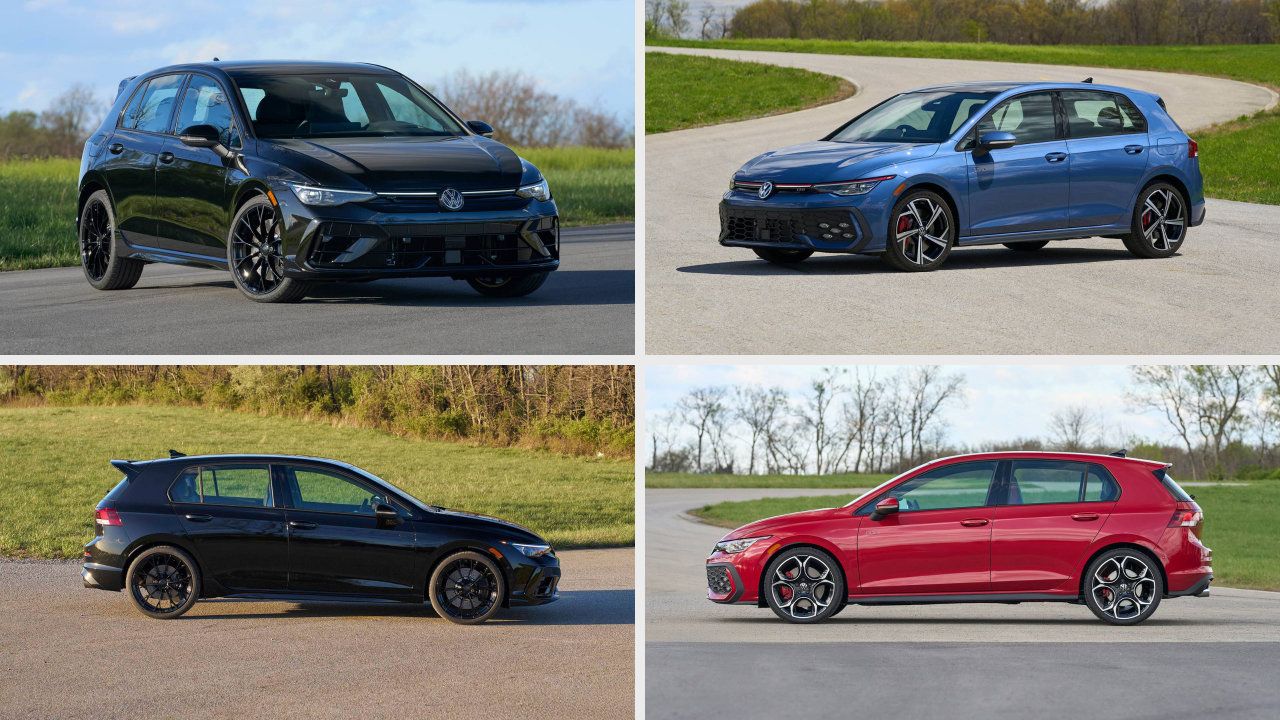
VW Golf R vs. VW Golf GTI: differences
VW Golf R vs. VW Golf GTI: 87 horsepower, 4MOTION all-wheel drive and $17,622 separate Volkswagen's two sporty hatchbacks. Arbour VW's comparison....
Read more
Summary
Buying or leasing a car is decided with four numbers: your annual mileage, the intended length of ownership, your monthly budget and the total cost over ten years.
Buying vs. leasing a car in short: leasing lowers the monthly payment but caps mileage, often between 16,000 and 24,000 km per year.
Buying costs more each month, then becomes payment-free once financing ends, which often means three to five years with no instalment.
A driver who keeps a vehicle 10 years generally pays less than a lessee who renews three times in a row, because depreciation is absorbed only once.
Leasing or buying an electric car adds one variable: rapid advances in battery technology.
Should you buy or lease a car? The answer is case by case, not a universal rule. If you drive more than 25,000 km per year or tend to keep your vehicles for more than seven years, purchasing is a good option. If you switch vehicles every three or four years with moderate mileage, leasing makes sense.
The core difference comes down to one word: ownership. When you buy, you pay for the entire vehicle and you become the owner. When you lease, you pay only the portion of value the vehicle loses during the contract.
Four criteria settle the question: monthly budget, annual mileage, length of ownership and your driving habits. Keep them in mind for what follows.
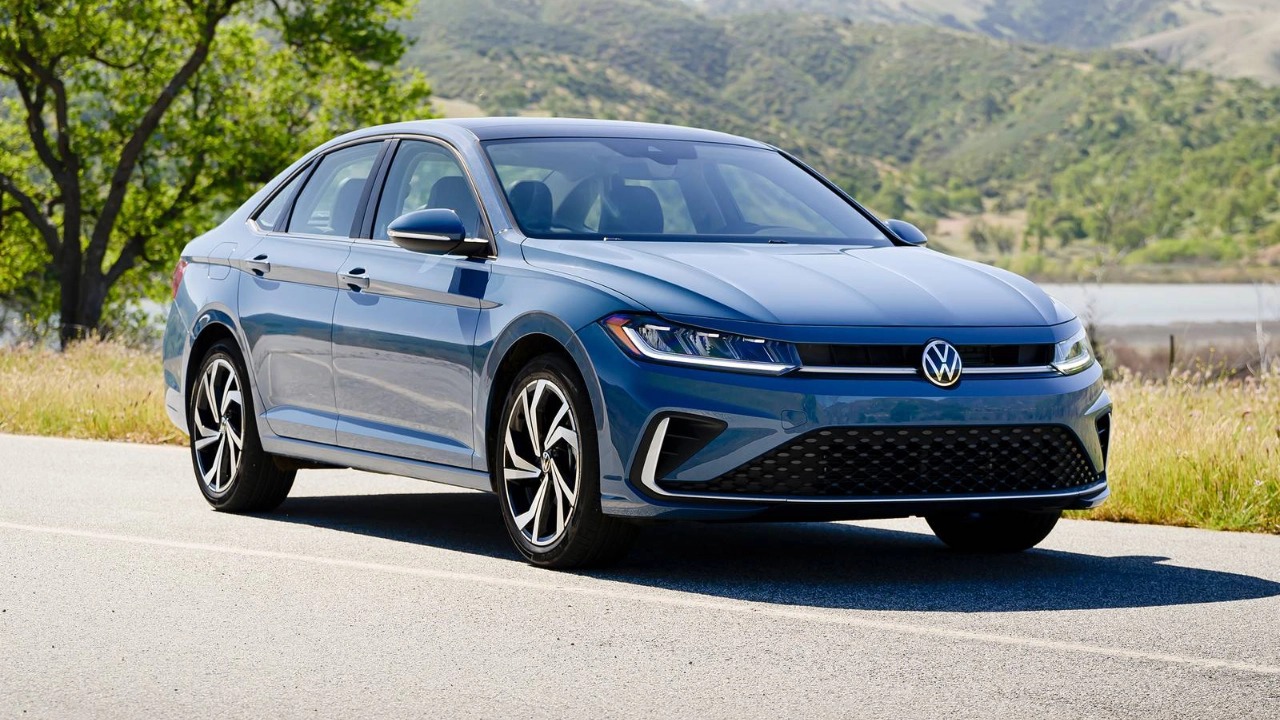 2026 Volkswagen Jetta
Buying a financed car or leasing it does more than change the size of the payment. Buying transfers ownership and the risk of depreciation to you. With leasing, the lender assumes those risks and maintains ownership. In exchange, a mileage cap and wear standards must be met.

You pay cash or finance the full price of the vehicle, usually over 60 to 96 months. Each payment reduces the balance and increases your share of ownership. At the end, the vehicle is yours and its resale value is entirely yours.
You pay for the vehicle's use over a fixed period, usually 36 to 60 months. The contract sets a residual value in advance, meaning what the vehicle will be worth at maturity. Your payments cover the gap between the starting price and that value.
A lesser-known advantage of leasing: the residual value is set when you sign. If the used market drops during your term, the loss is not yours.
The advantages of buying a car concentrate on freedom of use and on what happens after the last payment.
The vehicle is an asset in your name. You can sell it, trade it in or give it away whenever you want, without authorization or penalty.
For a representative who drives 45,000 km per year, the decision is easy. On a lease, that mileage would mean thousands of dollars in fees at the end of term. Purchasing is the least expensive scenario.
After 72 months of financing, a well-maintained vehicle can run for another five or six years with no monthly payment. That is when buying catches up to and surpasses leasing.
The resale value belongs to you. On a vehicle that holds its value well, that asset can become the cash for the next purchase.
The drawbacks of buying a car mainly affect cash flow and the vehicle's depreciation.
For the same vehicle and the same duration, the gap between financing and leasing is often 25 % or more, since you repay the full value when you buy.
A new vehicle loses a significant share of its value in the first few years. When you buy, that loss is yours.
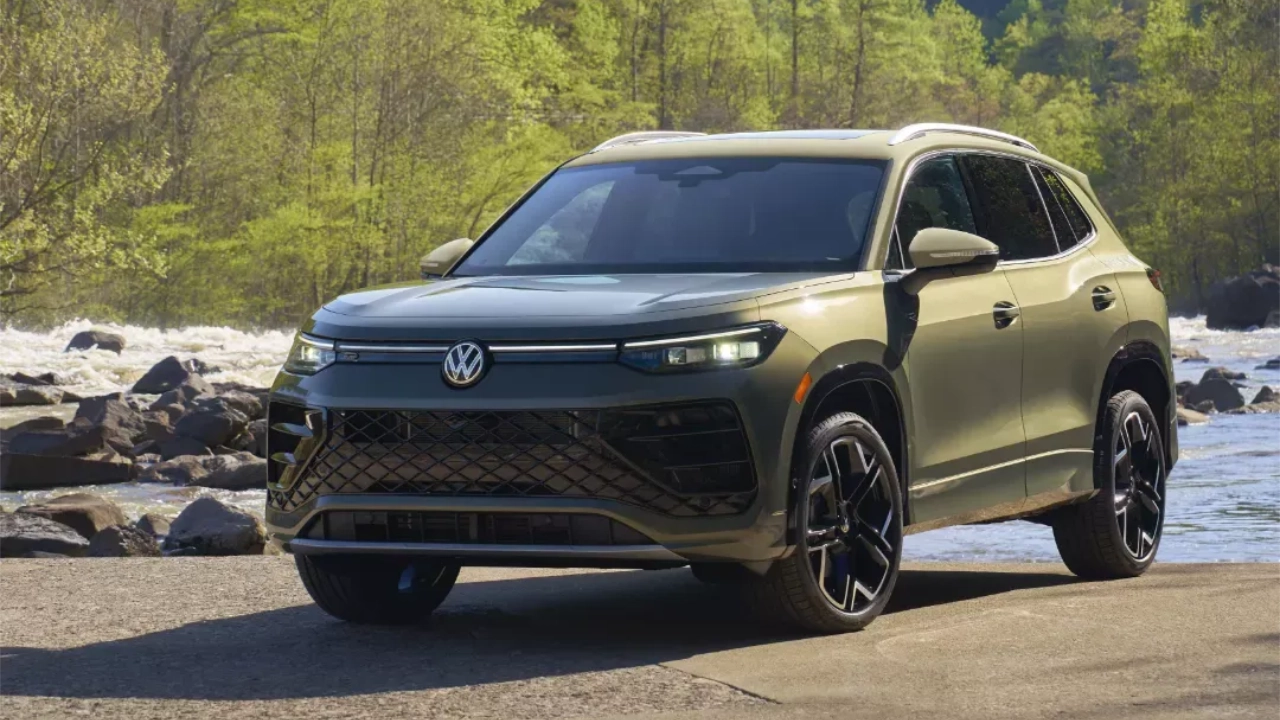 2026 Volkswagen Tiguan
Past the warranty, brakes, suspension and wear items are your responsibility. Plan for an annual maintenance budget that climbs from the fifth year onward.
The advantages of leasing a car appeal most to those who want flexibility and a predictable monthly budget.
You finance only the portion of value used during the contract, not the entire vehicle.
Once the leasing contract is done, you hand back the keys and leave with a recent model, with no selling process to manage.
A 48-month term ends before the end of Volkswagen's basic warranty, set at 4 years or 80,000 km. Major repairs therefore remain covered.
In three years, the Tiguan's centre display went from 8 to 15 inches and driver assist systems added a camera with 360-degree view. Renewing more often means keeping pace with the latest tech.
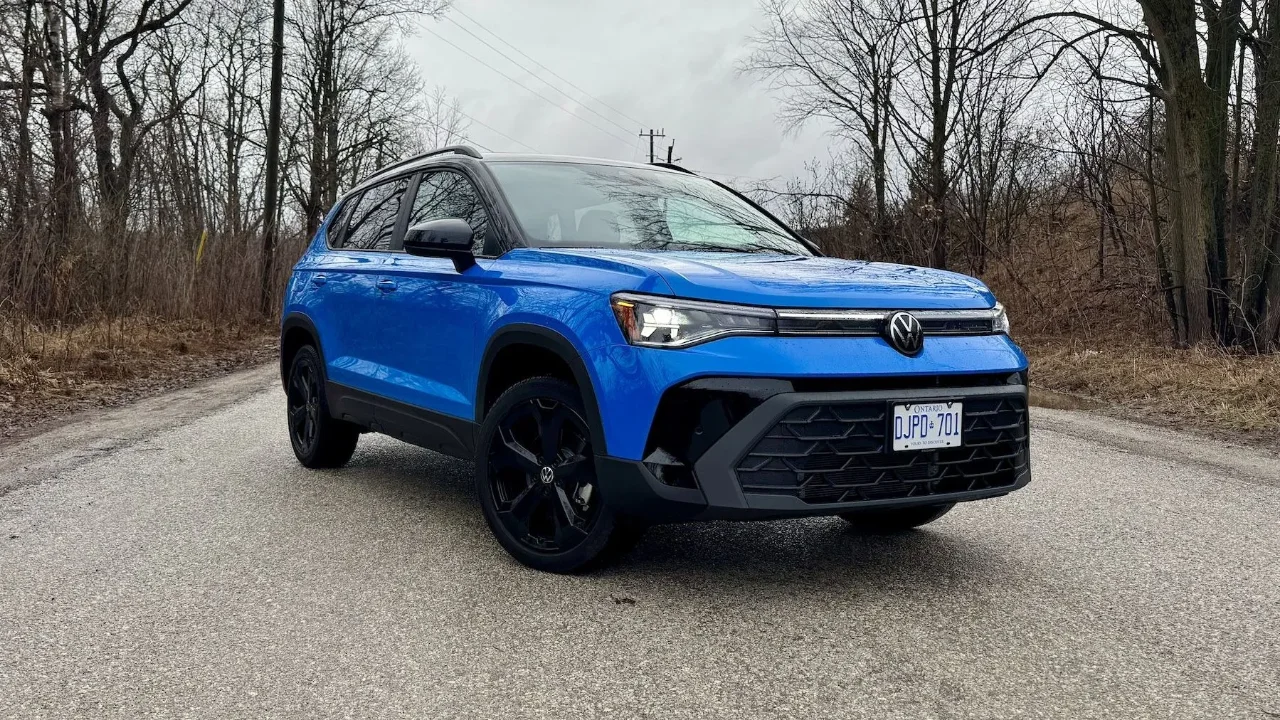 2026 Volkswagen Taos
The drawbacks of leasing a car mostly show up at the end of the contract.
Excess-kilometre charges often run around $0.12 to $0.20 per kilometre. Exceeding a contract by 15,000 km means a $1,800 to $3,000 bill.
Dents, a cracked windshield, tires below the legal limit: these items are inspected at return and billed if they exceed normal wear.
Unless you exercise the purchase option, you do not build any equity. Three consecutive 48-month leases are twelve years of payments, with no asset at the end.
Here is how the question of buying or leasing a car gets settled at the dealership, case by case.
Beyond 25,000 km per year, buying is almost always more advantageous. The calculation of the cost of leasing vs. buying a car shifts as soon as excess-kilometre fees come into play.
If you plan on keeping your car for eight years or more, purchasing is generally the better option. A long-term car lease, renewed contract after contract, never leads to ownership.
This is the scenario made for leasing: lower payment, warranty in effect from start to finish, no resale to manage.
Leasing wins on this single criterion. But be mindful that a lower payment does not necessarily mean a lower total cost.
Tax treatment differs depending on whether you choose financing or leasing a car, and deduction caps change from one year to the next. An accountant will decide faster than a salesperson.
This table sums up the structural differences between the two options, without taking temporary special offers into account.
| Criterion | Purchase | Lease |
|---|---|---|
| Monthly payment | Generally higher | Generally lower |
| Ownership | Yes | No, unless buyout |
| Mileage | Unlimited | Limited per contract |
| Resale | Possible | No |
| Long-term maintenance | To plan | Often limited during term |
| Vehicle change | Less frequent | Easier |
| Long-term cost | Often advantageous | May be higher |
Consider two drivers. The first finances an SUV over 72 months and keeps it 10 years: they pay for six years, then drive four years with no payment. The second strings together three 40-month leases: they pay each month for ten years, without interruption.
Depreciation explains the difference. It is highest in the early years and slows afterward. The buyer absorbs it once; the lessee consistently pays the most expensive portion of the curve at every contract.
The payment-free period also changes the family budget. Four years with no monthly bill is several thousand dollars redirected elsewhere. That is the main argument for buying. Our report on the best used SUVs also shows which models retain their value best after that period.
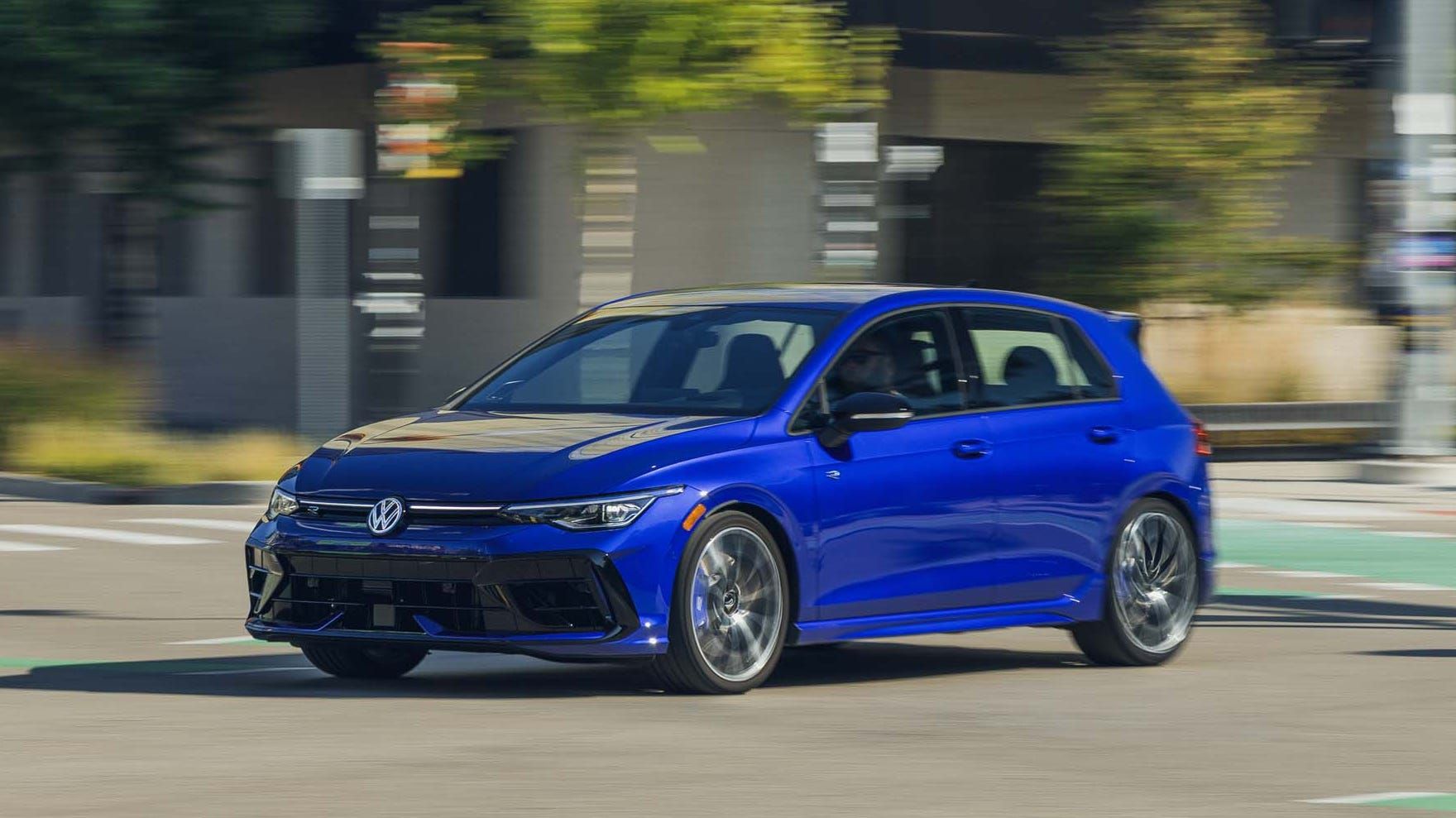 2026 Volkswagen Golf R
Yes, on one specific point: how fast things evolve. Range and charging speeds progress from one generation to the next, which makes the residual value of an electric vehicle harder to predict than for gasoline.
Leasing transfers this risk to the lender. In return, if you keep an electric vehicle for a long time, you get buying benefits from lower running costs: no oil changes and significantly less brake maintenance, thanks to regenerative braking.
Here are four things to take into account before discussing monthly payments.
Take the odometer reading of your current vehicle and divide by the number of years you have owned it. That is your real figure, not your estimate.
Under five years, leasing is competitive. Beyond seven years, buying almost always takes the lead.
Multiply the payment by the number of instalments, add the cash down and end-of-term fees, then subtract the estimated resale value in the case of a purchase.
A job that could relocate you, a growing family, remote work that could take hold: these variables matter as much as the numbers. Choosing the best time to buy a vehicle is also part of the equation, since financing conditions vary throughout the year.
Knowing whether it is better to lease or buy a car depends on three variables: length of ownership, mileage and your tolerance for contract constraints. A long-time horizon and high mileage will make you lean toward buying.
Cheaper each month is leasing. Cheaper over ten years is almost always buying.
When you drive less than the allowed limit, change vehicles every three or four years and want to remain covered by the warranty at all times.
When you exceed 25,000 km per year, keep your vehicles for a long time or want to recoup a resale value.
Most contracts allow between 16,000 and 24,000 km per year. The exact threshold appears in the contract, as does the excess per-kilometre rate.
Yes. The contract sets the residual value in advance, or the amount to be paid if you want to become the owner. That amount can be financed.
Back-to-back leases give you a vehicle that is always recent and under warranty, but at the end of the contract you do not have an asset. It is a comfort-based choice.
Yes, with termination fees. Transferring the lease to a third party is often less costly. Our advisors assess both scenarios before you sign anything, and a look at the best fuel-efficient SUVs can sometimes help reduce the next payment instead of paying a penalty.
VW Golf R vs. VW Golf GTI: differences
VW Golf R vs. VW Golf GTI: 87 horsepower, 4MOTION all-wheel drive and $17,622 separate Volkswagen's two sporty hatchbacks. Arbour VW's comparison....
Read more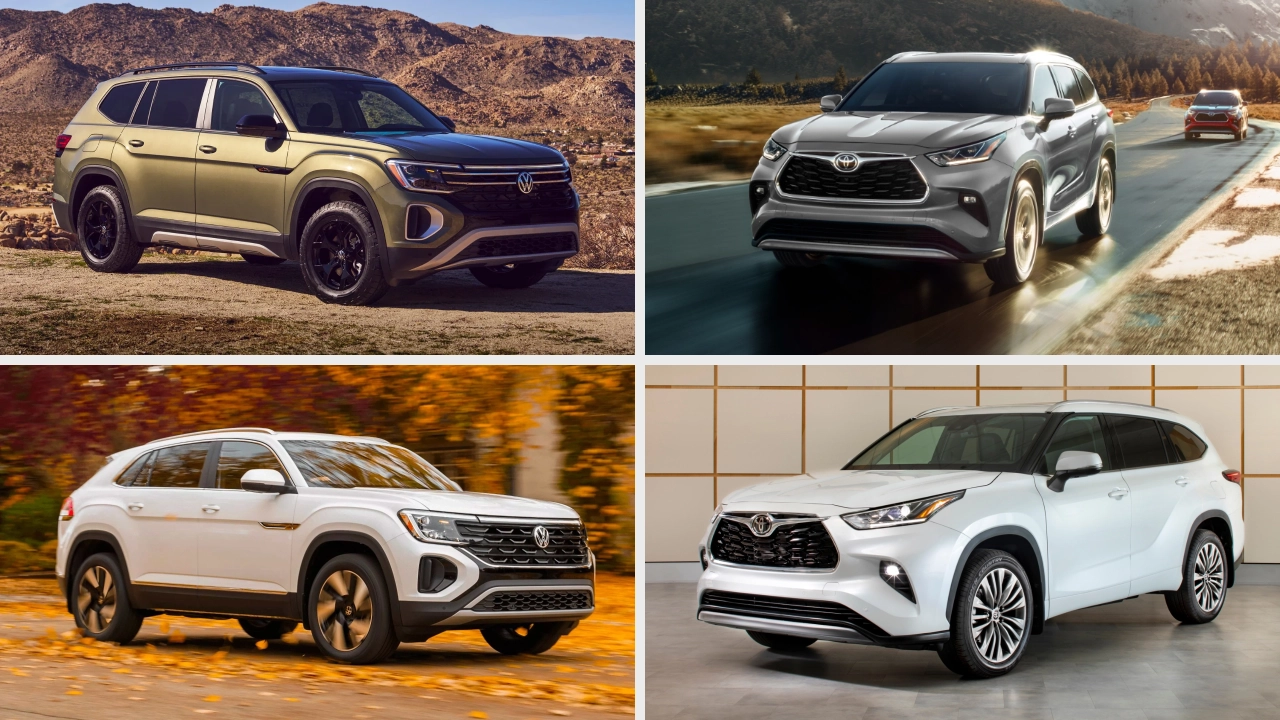
2026 Volkswagen Atlas vs. Toyota Highlander: which one to choose for your needs?
2026 Volkswagen Atlas vs. Toyota Highlander: prices are almost identical, yet power, fuel consumption, cargo space and warranty differ. Learn more...
Read more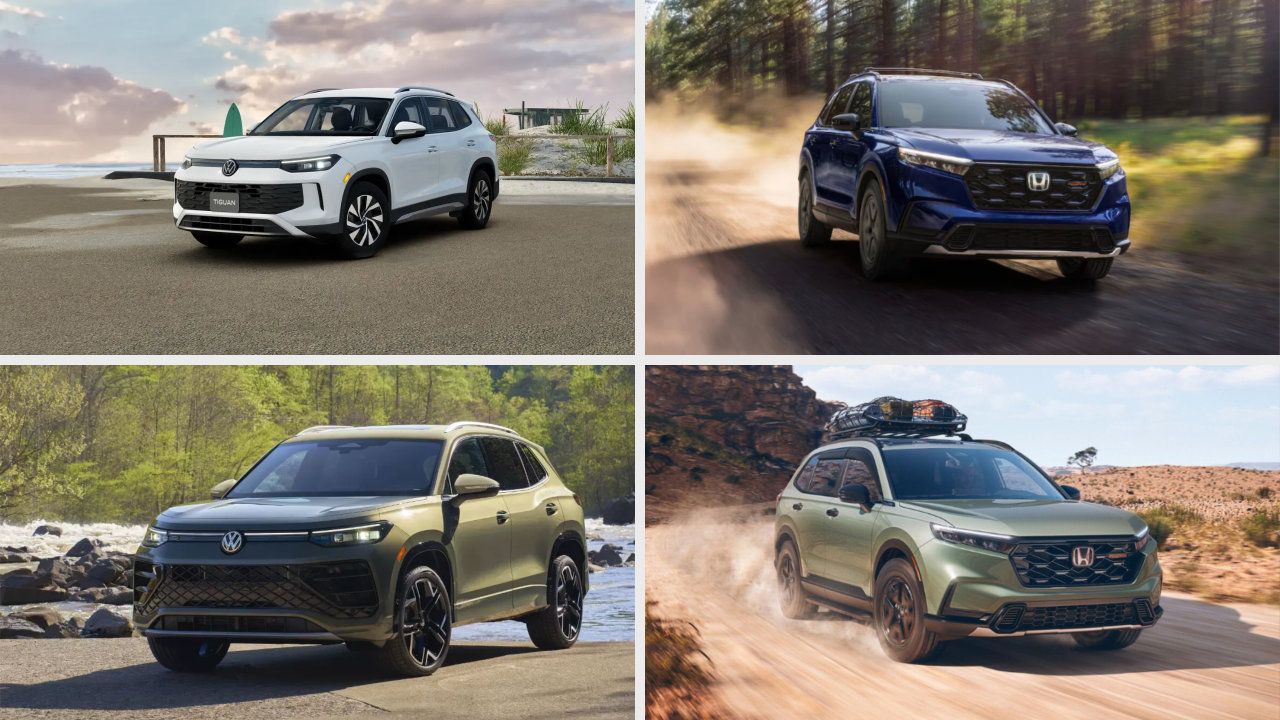
2026 Volkswagen Tiguan vs. Honda CR-V: which one to choose based on your needs?
Summary Summary 2026 Volkswagen Tiguan vs. Honda CR-V: first points of comparison Comfort comparison Handling comparison Practical comparison...
Read morePowered and developed by
