
Photo for illustrative purposes only.
Find out more
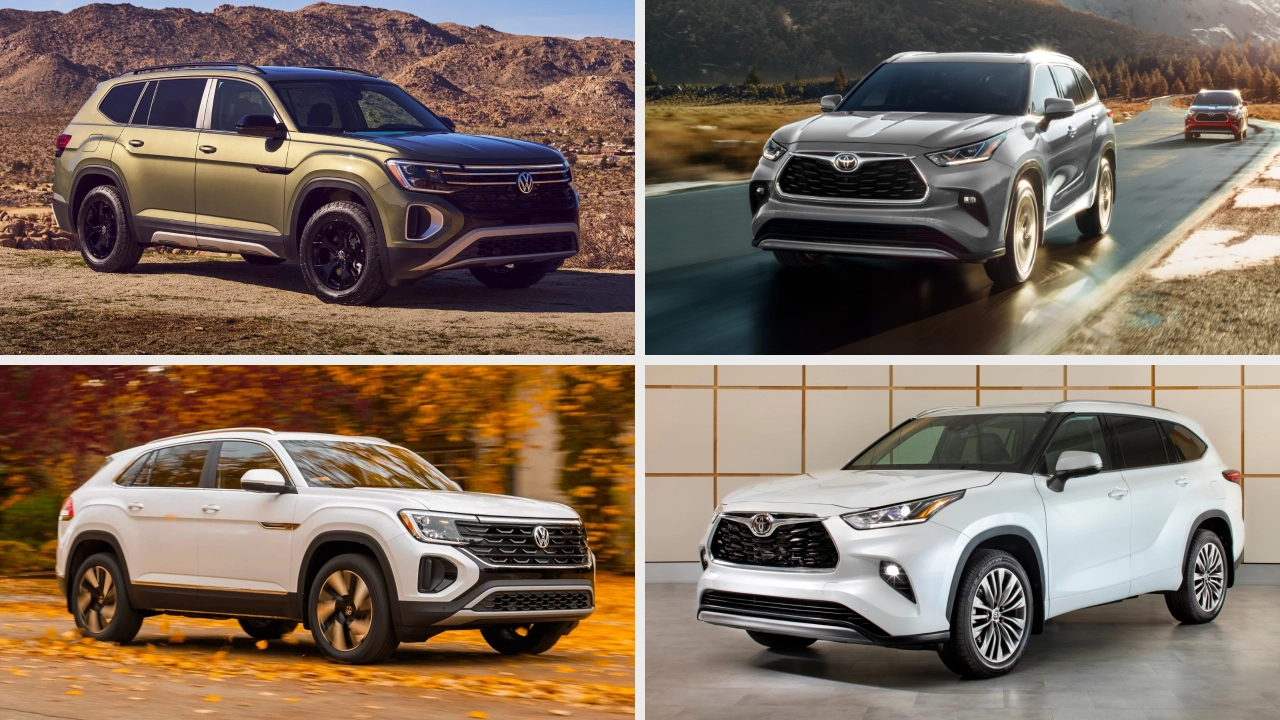
2026 Volkswagen Atlas vs. Toyota Highlander: prices are almost identical, yet power, fuel consumption, cargo space and warranty differ. Learn more here!
Summary
2026 Volkswagen Atlas vs. Toyota Highlander: both SUVs start at almost the same price, namely $51,595 for the Atlas Comfortline 4MOTION and $51,535 for the Highlander XLE with all-wheel drive.
The Atlas delivers 269 horsepower and 273 lb-ft, while the gas Highlander offers 265 horsepower and 309 lb-ft.
On fuel consumption, the gas Highlander posts 9.9 L/100 km and its hybrid version 6.7 L/100 km, versus 11.0 L/100 km for the Atlas.
Towing capacity reaches 5,000 lb. for the Atlas and the gas Highlander, but drops to 3,500 lb. for the Highlander Hybrid.
The Atlas offers 2,735 L of cargo space and a 4-year/80,000 km basic warranty.
Rarely has a matchup been this tight on price. For the 2026 Volkswagen Atlas vs. the Toyota Highlander, there is a $60 gap between the two entry all-wheel drive trims. The starting MSRP is $51,595 for the Atlas Comfortline 4MOTION and $51,535 for the Highlander XLE. Everything else, however, goes in different directions.
*These prices were listed on the manufacturers' websites at the time of research. They are subject to change without notice.
Three differences shape the comparison between the 2026 Volkswagen Atlas and the Toyota Highlander: the Highlander offers a hybrid version, the Atlas does not; the Atlas provides 2,735 L of cargo space, the Highlander less; and the Highlander Hybrid tows 1,500 lb. less than its gas trims. On the value front, neither wins by default. It depends on what you do with the vehicle three weekends a month.
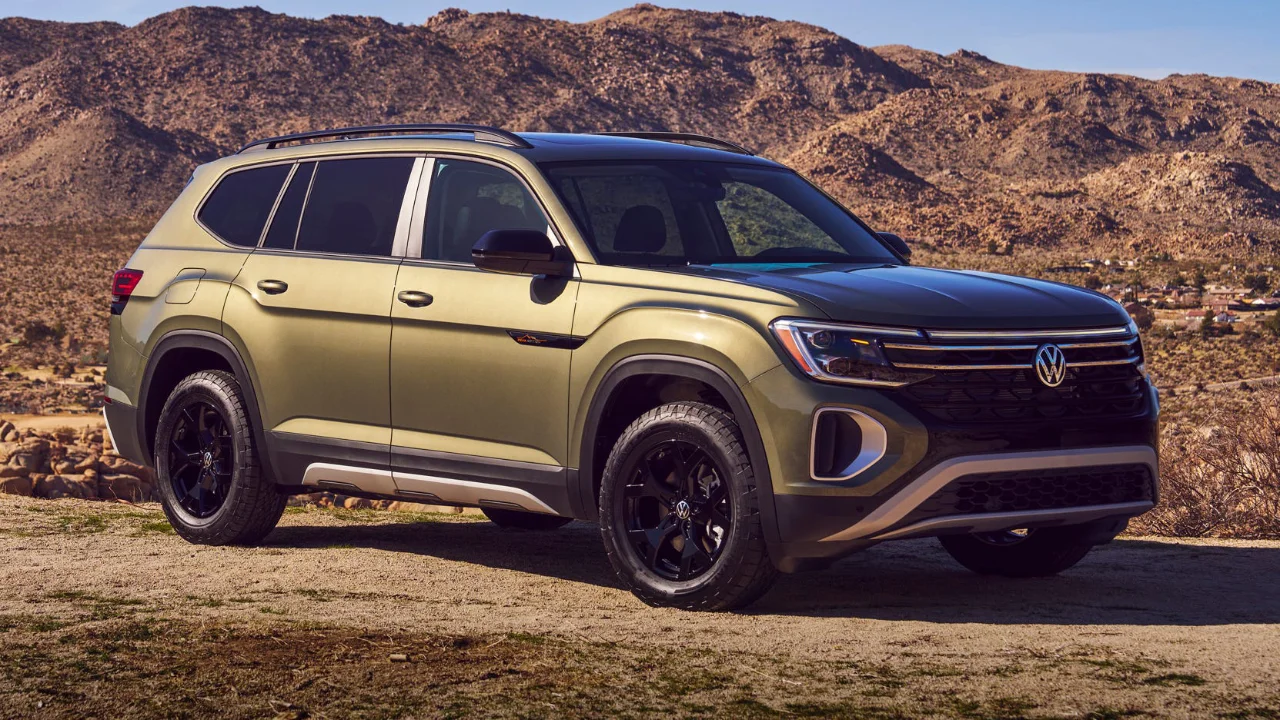 Volkswagen Atlas 2026
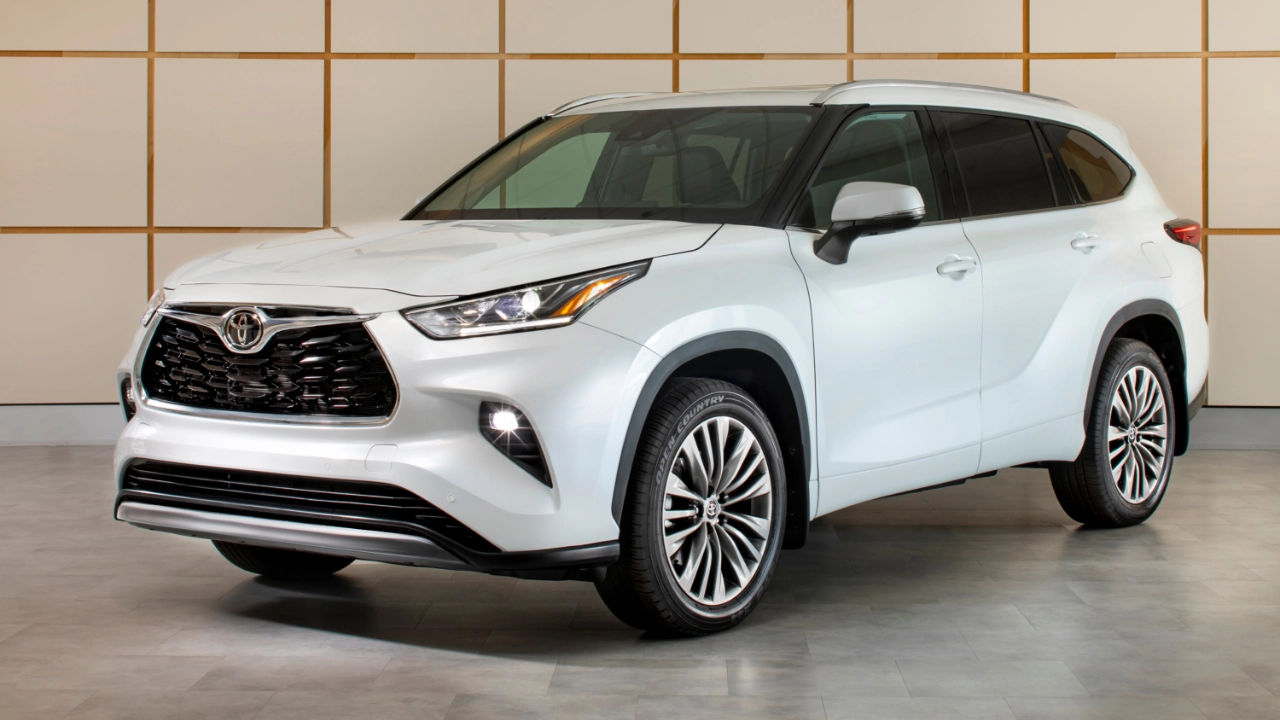 Toyota Highlander 2026
The Atlas leans on a floating centre console with storage underneath, metallic accents, and quilted leather upholstery with diamond stitching on the Execline trim, with captain's chairs available in the second row. The Highlander plays the quiet-ride card, though its third row remains tighter for an adult on a long trip.
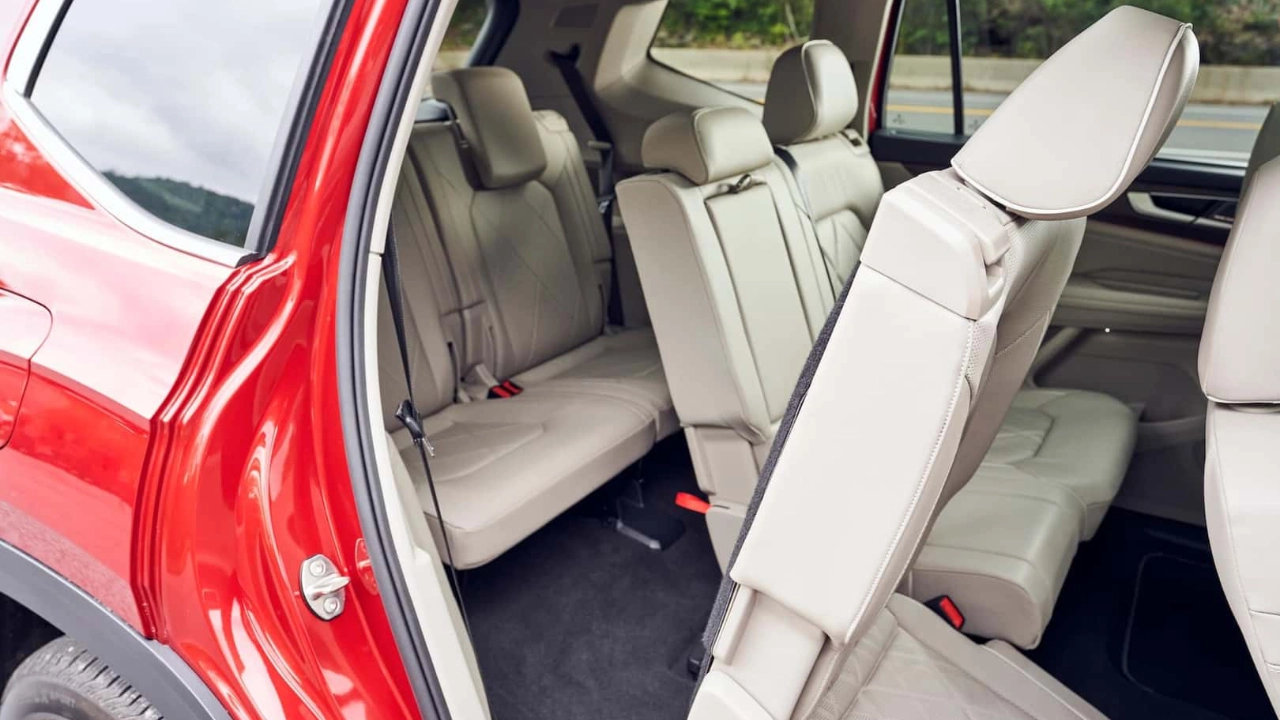 Volkswagen Atlas 2026
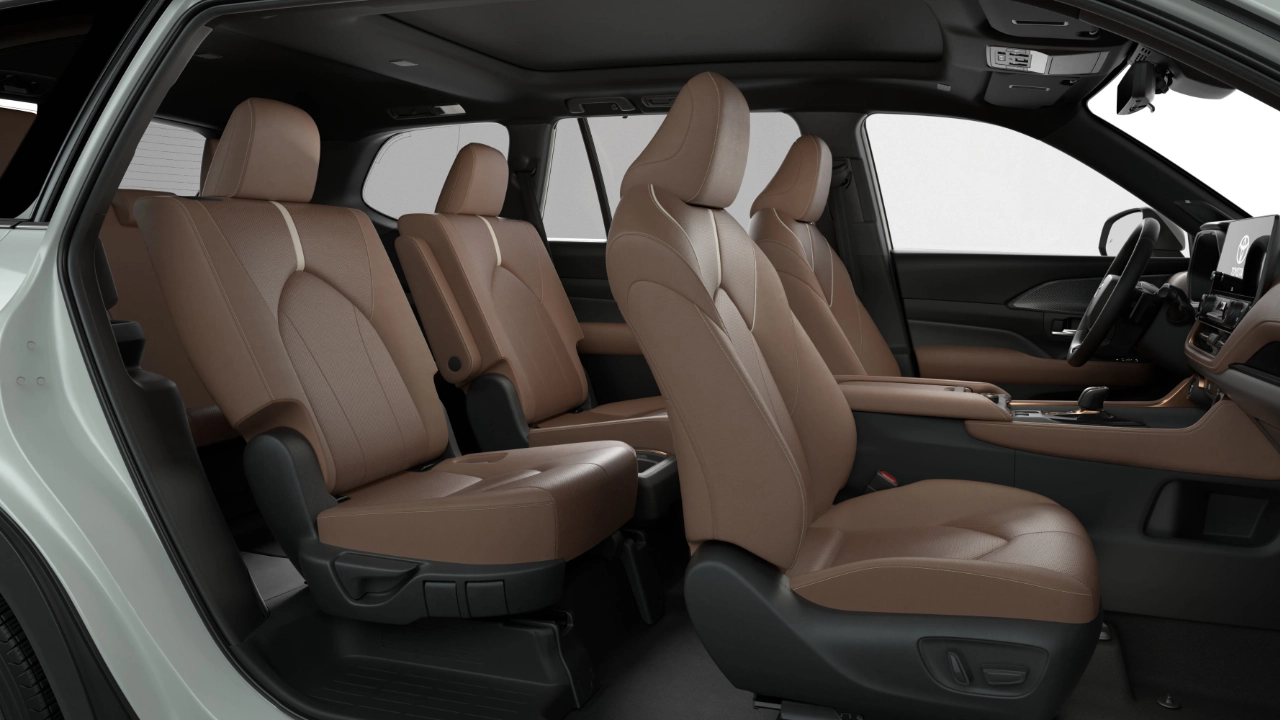 Toyota Highlander 2026
4MOTION all-wheel drive is standard on the Atlas. At Toyota, the XLE trim receives dynamic torque-control all-wheel drive, while the XSE, Limited, and Platinum trims use a more elaborate system with a driving mode selector and a rear drive shaft that can decouple. In practice, higher Highlander trims can shut off rear drive on a dry highway to save fuel, which the Atlas does not do.
The Atlas offers 583 L behind the third row and 2,735 L once both benches are folded, enough to carry a full mountain bike without removing the front wheel. The Highlander is available with 7 or 8 seats depending on configuration, but maximum cargo space remains below the Atlas.
The dimensions place the Atlas among the longer entries in its class at roughly 5.04 m long by 1.99 m wide. The Highlander is slightly shorter, which helps in tighter parking spots but reduces space in the third row. For perceived size in the cabin, the Atlas's shoulder width explains why three children in booster seats fit more easily across than in the Highlander.
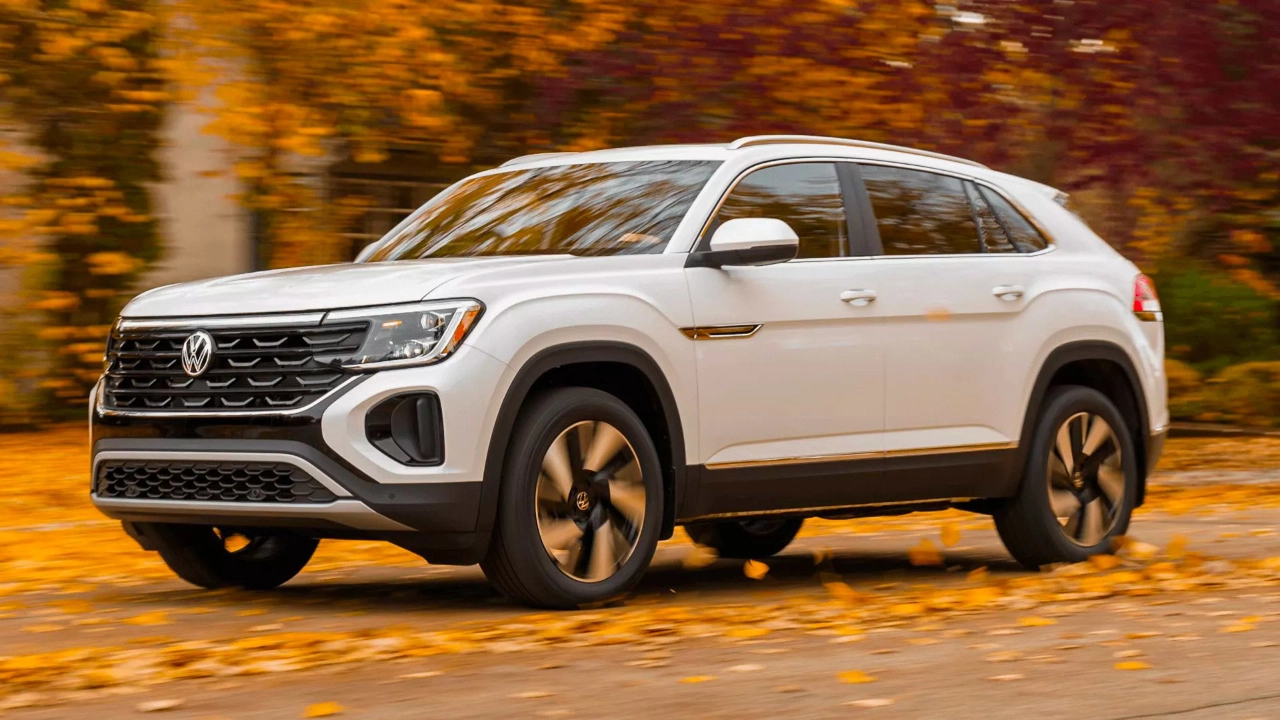 Volkswagen Atlas 2026
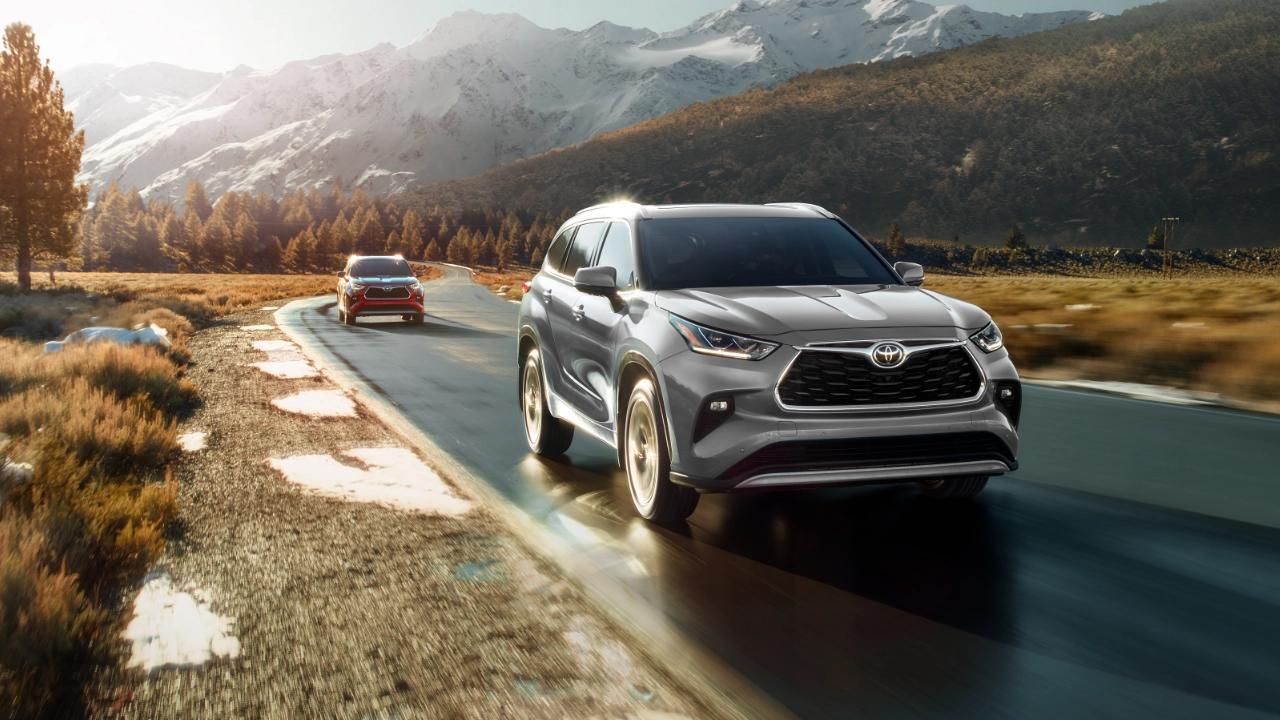 Toyota Highlander 2026
The spec sheet pits two philosophies against each other. The Atlas runs a 2.0 L turbo 4-cylinder rated at 269 horsepower and 273 lb-ft paired with an 8-speed automatic. The gas Highlander uses a 2.4 L turbo at 265 horsepower and 309 lb-ft, also with an 8-speed automatic.
In terms of powertrain, Toyota adds a 2.5 L hybrid variant with a combined 243 horsepower, coupled with a CVT and electric on-demand all-wheel drive. On outright power, the Atlas leads the Highlander by 4 horsepower, but the gas Highlander has 36 lb-ft more torque.
Fuel consumption is the Highlander's clearest win: 9.9 L/100 km for the gas model and 6.7 L/100 km for the hybrid, versus 11.0 L/100 km for the Atlas. Over 20,000 km, the gap with the Highlander Hybrid represents about 860 litres of gas per year, or more than ten fill-ups for a compact. If your annual mileage is high, this number alone can decide it.
Towing capacity between the Atlas and the gas Highlander is a tie at 5,000 lb. The Highlander Hybrid tops out at 3,500 lb., a 1,500 lb. reduction. A 4,200 lb. loaded travel trailer can go behind the Atlas, not behind the hybrid Highlander. For payload, Toyota refers to the sticker on the door frame, as does Volkswagen. In this format, it generally ranges between 1,200 and 1,600 lb.
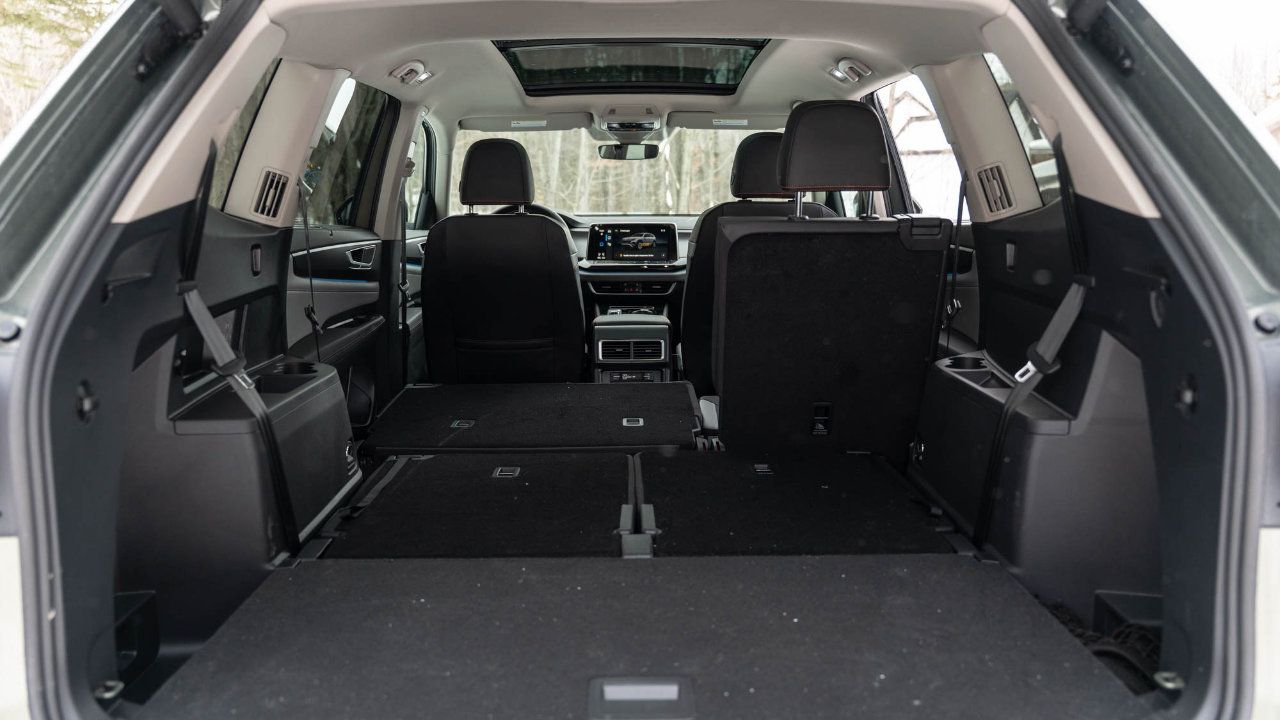 2026 Volkswagen Atlas
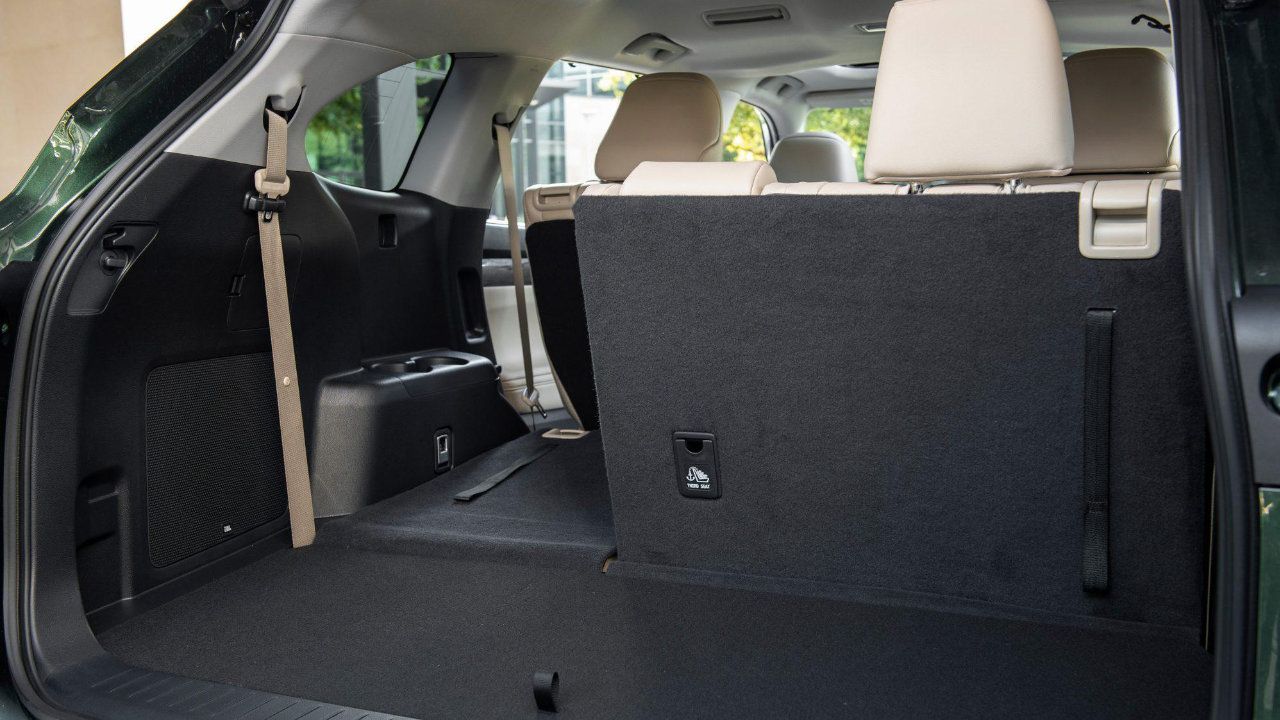 2026 Toyota Highlander
The Atlas opts for straight lines and a wide radiator grille that emphasizes its presence, while the Highlander adopts a more rounded design that is less polarizing. If a seven-seat format feels excessive, the Atlas Cross Sport spec sheet shows the same engine in a five-seat body with a sloping roofline.
Safety technologies are complete on both sides. The IQ.DRIVE suite, at Volkswagen, includes Automatic Emergency Braking with Pedestrian and Cyclist Detection, an Active Blind Spot Monitor with Rear Cross-Traffic Alert, and Adaptive Cruise Control. Toyota Safety Sense 3.0 is standard on every Highlander trim. On safety, the difference between the Atlas and Highlander comes more from parking assist systems than from core functions.
The Atlas 2026 infotainment system is centred on a new-generation 12-inch display, while the Highlander's multimedia setup also offers a large touch screen depending on the trim. For connectivity, wireless Apple CarPlay and Android Auto are available on both SUVs, and Volkswagen adds the myVW app with remote start, included for 3 years on 2026 models.
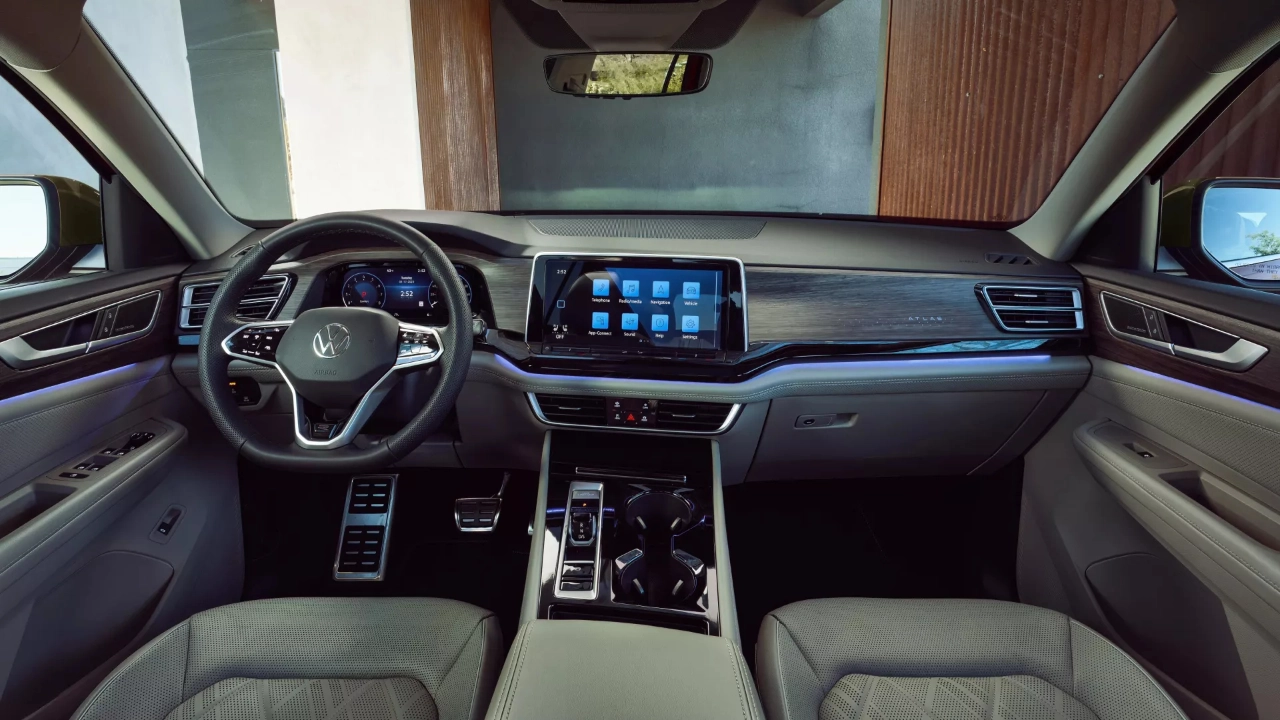 2026 Volkswagen Atlas
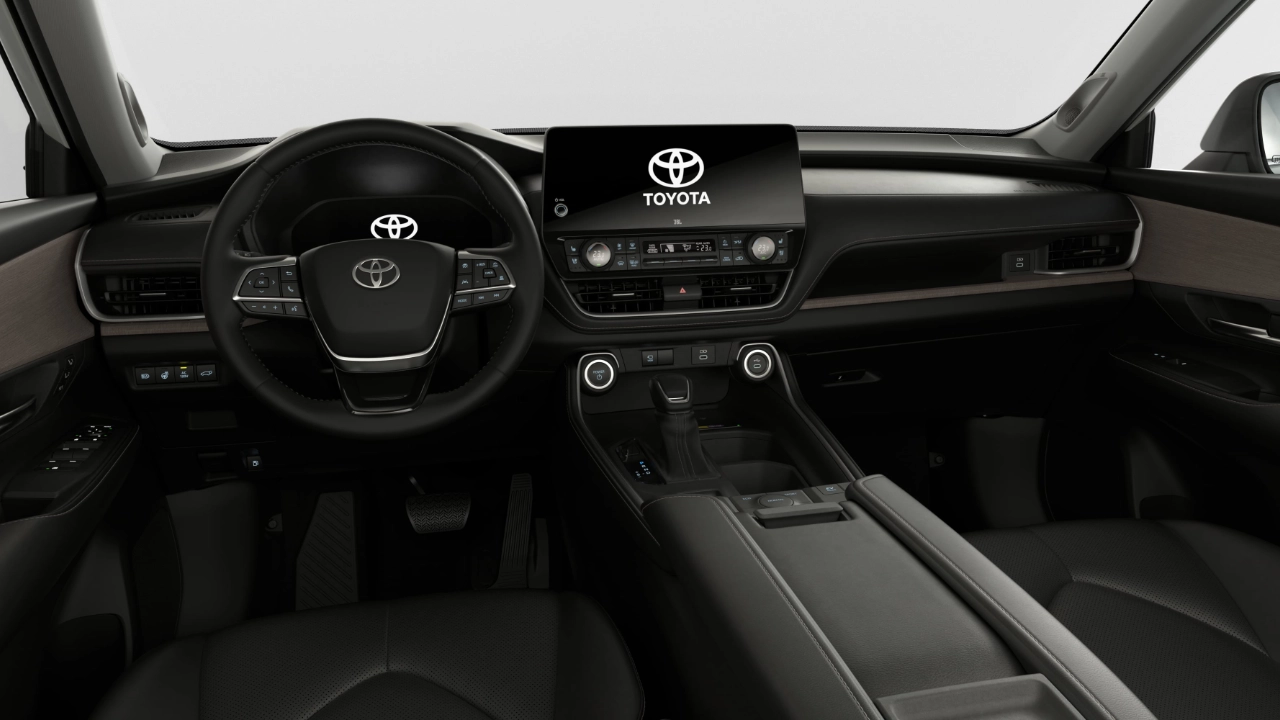 2026 Toyota Highlander
The Atlas was named Top Safety Pick in 2024 by the IIHS. On the Japanese side, the Toyota Grand Highlander, the Highlander's larger cousin, earned the 2024 Utility Vehicle of the Year title from the Automobile Journalists Association of Canada.
At near-identical entry pricing, the Atlas gives you 2,735 L of cargo space, seven seats, and 5,000 lb. of towing. The Highlander XLE returns 1.1 L/100 km less and access to a hybrid option. The Atlas Highline then rises to $58,595*, with 3 years or 45,000 km of scheduled maintenance included on 2026 Volkswagen SUVs.
On perceived reliability and resale value, Toyota maintains a historical advantage, particularly for its hybrid trims, which are in strong demand on the Quebec used market. The Atlas counters with a lower acquisition price at comparable equipment and a warranty of 4 years or 80,000 km, versus 3 years or 60,000 km at Toyota. In a lease, it is the residual value written in the contract that determines your payment, not reputation.
In short, the straightforward advice from an advisor to a client hesitating between the 2026 Volkswagen Atlas or the Toyota Highlander would go like this: if you tow and haul, choose the Atlas. If you stack up city kilometres, the Highlander Hybrid becomes hard to beat. To decide which one to choose between the Volkswagen Atlas or the Toyota Highlander, look at your real annual mileage rather than an estimate. And if you are hesitating between two VW formats, our comparison between the Atlas vs. Atlas Cross Sport settles it in five minutes.
| Criteria | 2026 Volkswagen Atlas | 2026 Toyota Highlander |
|---|---|---|
| Starting price | $51,595 | $51,535 |
| Power | 269 HP / 273 lb-ft | 265 HP / 309 lb-ft (gas) |
| Combined fuel consumption | 11.0 L/100 km | 9.9 L/100 km (6.7 Hybrid) |
| Maximum cargo volume | 2,735 L | Lower than Atlas |
| Towing | 5,000 lb. | 5,000 lb. (3,500 lb. Hybrid) |
| Technologies | IQ.DRIVE standard | Toyota Safety Sense 3.0 |
| Basic warranty | 4 years / 80,000 km | 3 years / 60,000 km |
*These prices were listed on the manufacturers' websites at the time of research. They are subject to change without notice.
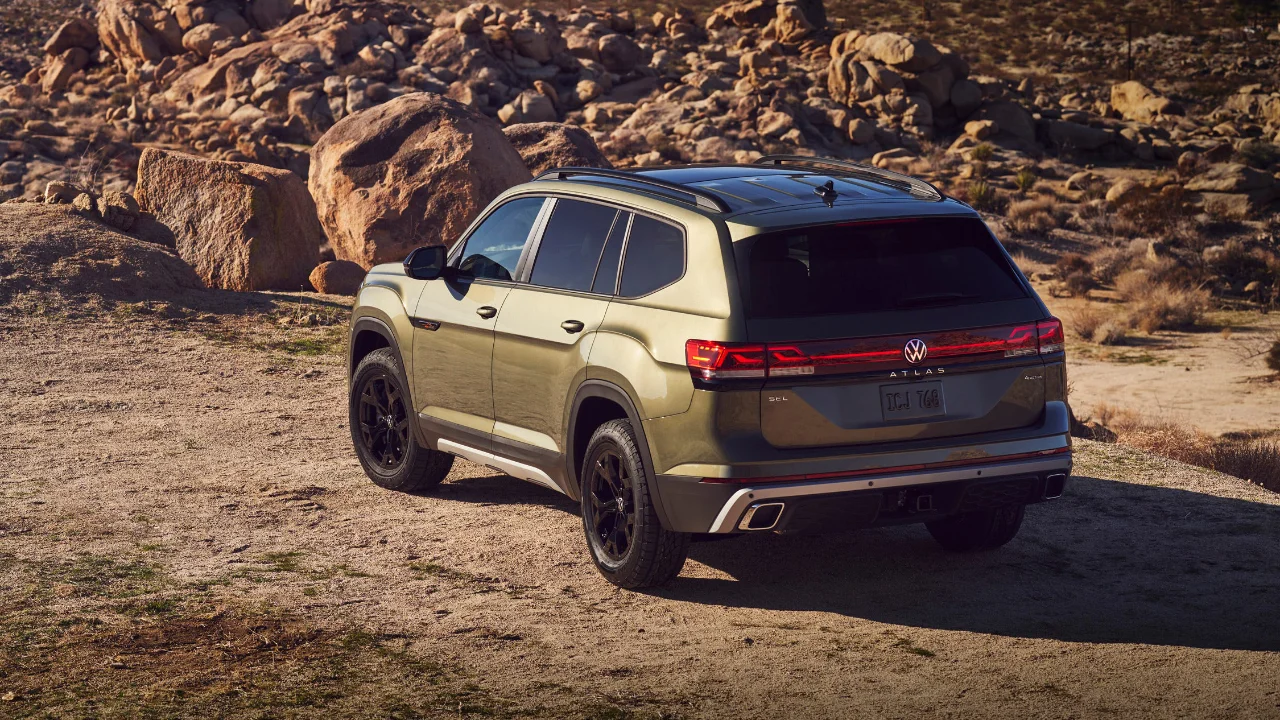
Photo for illustrative purposes only.
Find out more
2026 Volkswagen Tiguan vs. Honda CR-V: which one to choose based on your needs?
Summary Summary 2026 Volkswagen Tiguan vs. Honda CR-V: first points of comparison Comfort comparison Handling comparison Practical comparison...
Read more
Top 5 Best and Economical SUVs for 2025
Top 5 best fuel-efficient SUVs for 2026 in Quebec. Fuel consumption, price, traction and reliability compared by Arbour Volkswagen advisors....
Read more
Volkswagen SUVs: find the one that truly fits your lifestyle
All 2026 Volkswagen SUVs compared: Taos, Tiguan, Atlas, Atlas Cross Sport and ID.4. Prices, seating, powertrains and fuel consumption by Arbour...
Read morePowered and developed by
